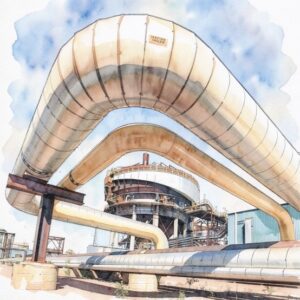
Our Approach - Repurpose Before Abandonment
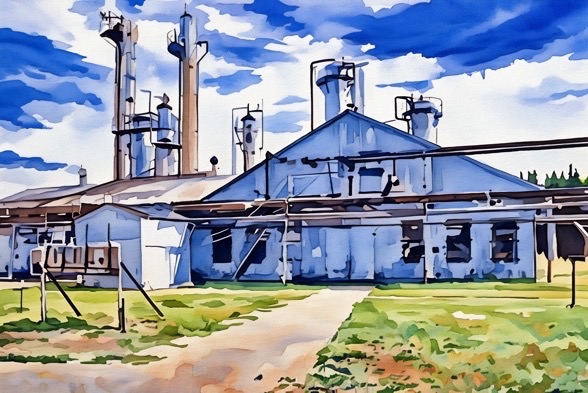
CedarStone Energy works to identify the remaining value in mature oil and gas infrastructure before final abandonment and reclamation decisions are made.
Our model bridges the gap between liability management and regenerative asset development.
Repurpose Oil and Gas Well into Geothermal Well for Green Hydrogen Production
CedarStone Energy investigates the repurposing of suitable high-temperature oil and gas wells, including wells with bottomhole temperatures over 100°C, into geothermal-assisted energy assets. These wells may support green hydrogen production by using subsurface heat to pre-heat water, reduce the electrical load required for electrolysis, and integrate existing wellbore infrastructure into a lower-impact hydrogen production model.
By using existing wells, surface locations, access roads, and field infrastructure, this approach can reduce new land disturbance, lower capital intensity, and create a new productive use for assets that may otherwise move toward suspension, abandonment, or reclamation.
Potential Benefits
Repurpose Oil and Gas Wells Into Industrial Greenhouse Heating and Cooling
Not every well needs to be high-temperature to create value.
CedarStone Energy investigates the use of low-temperature oil and gas wells, including wells under 100°C, as geothermal heat sources for greenhouse heating, heat-pump integration, and seasonal heating and cooling systems. This opportunity is especially relevant for northern, rural, Indigenous, and remote communities where food costs, transportation logistics, diesel reliance, and energy security are ongoing challenges. By converting low-temperature wellbores into thermal assets, CedarStone Energy can help support year-round greenhouse production, food security, local employment, and reduced dependence on long-distance food transportation.
Potential Benefits
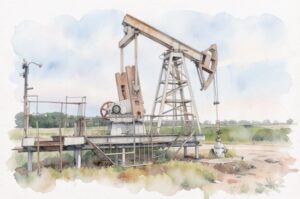
Natural Produced Water Treatment
Produced water is one of the most significant operational challenges in the oil and gas sector. It is often managed as a waste stream, disposal burden, or ongoing operating cost. Operators may pay for trucking, disposal, injection, storage, treatment, and compliance while also managing emissions and field logistics associated with water movement.
CedarStone Energy is exploring natural and lower-impact treatment pathways that could transform produced water from a waste product into a valuable resource. Our goal is to reduce disposal volumes, trucking requirements, injection dependency, operating costs, and transportation-related emissions while creating beneficial reuse pathways for water where technically feasible and regulatorily appropriate.
Potential Benefits
Repurpose Pipelines Into Produced Water Intake Lines
CedarStone Energy also sees opportunity in inactive, underutilized, or soon-to-be inactive pipeline infrastructure. Where pipeline integrity, regulatory approvals, fluid compatibility, land agreements, and operating conditions allow, certain pipelines may be repurposed into produced-water intake or transfer lines. This could reduce trucking, lower emissions, improve field logistics, and extend the useful life of existing infrastructure.
Potential Benefits